










Key Takeaways
- Compression wear supports muscles, improves circulation, and enhances recovery, particularly when you learn how compression gear boosts blood circulation during workouts.
- The right compression gear depends on fabric, fit, your training style and knowing how to choose compression gear for gym workouts based on your prefernces.
- The benefits of compression wear for the gym, works best when you pair it with smart training, proper rest and high-quality best compression wear for gym performance, often paired with winter essentials during colder months
In This Article
Benefits Of Compression Wear For Workouts
Types Of Compression Wear Available At Fuaark
How to Choose the Right Compression Gear
Compression Wear for Different Types of Training
Common Mistakes To Avoid When Wearing Compression Gear
Frequently Asked Questions on Compression Wear
The journey of compression wear started in hospital recovery rooms and it has gradually become the choice for athletes and gym enthusiasts. Today, it fits in with modern workout wardrobes with gym track pants and layering pieces such as women's hoodies & jackets, particularly during colder months.
In this blog, we are going to answer the real question: Is compression wear for gym sessions actually worth the hype?
Read along as we break down the benefits of gym compression wear, explore essential products for both men and women, and help you choose the right fit for your workouts.

What Is Compression Wear?
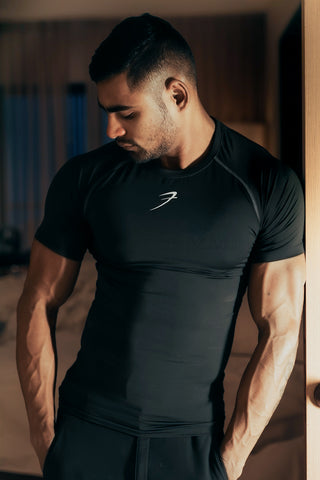
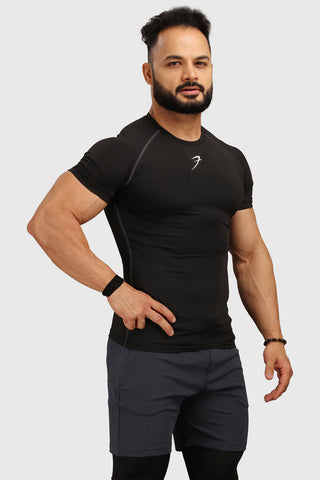
Compression wear refers to tight-fitting workout clothing that is designed to apply controlled pressure to specific muscle groups. This includes:
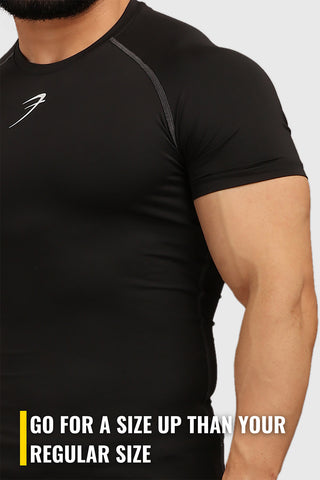
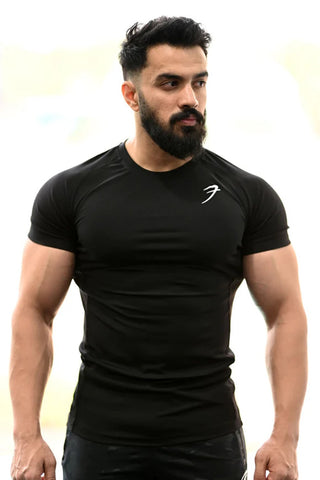
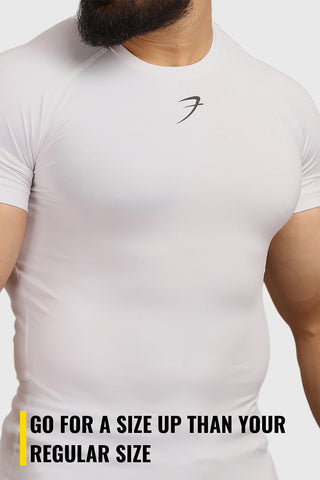
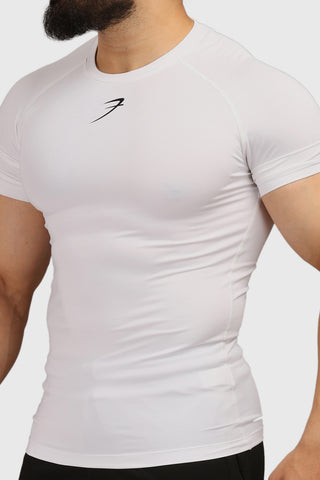
- Compression gym t shirts
- Compression shorts and tights
- Compression tanks
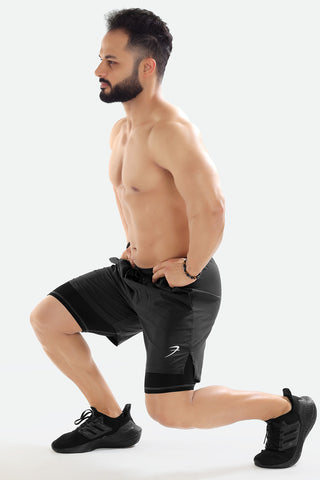
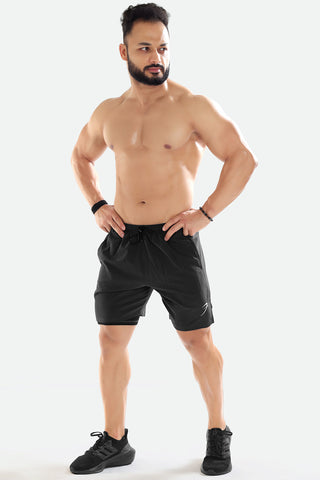
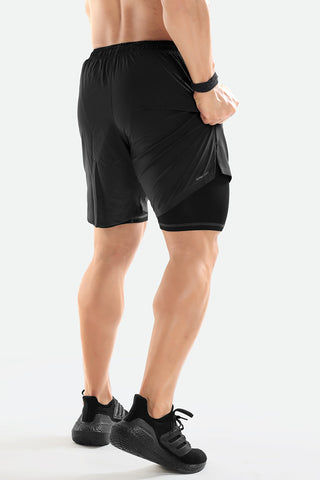
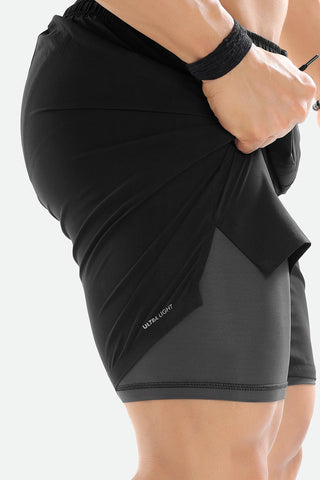
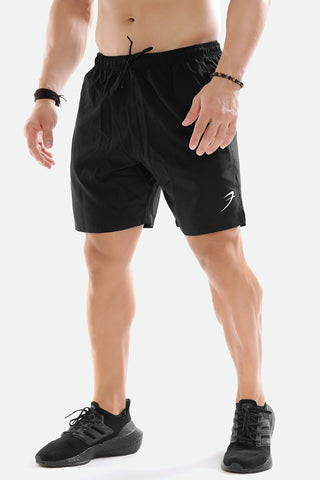
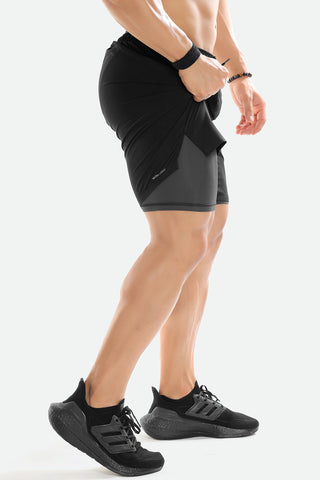
- 2-in-1 Compression shorts
Unlike regular gym wear such as gym joggers or a sweatshirt for men gym sessions,, compression garments are engineered to:
- Fit snugly without restricting movement
- Improve blood circulation during workouts
- Reduce muscle vibration
Benefits Of Compression Wear For Workouts
So, what really happens when you squeeze into those tight layers? Let’s understand the benefits of compression t shirt wear and other compression gear that make athletes swear by them.
1. Muscle Support
One of the biggest benefits of compression wear is muscle support. By holding muscles closer to the body, compression gym wear can help reduce excessive movement during lifts, sprints, and jumps.
This explains why do men wear compression gear during intense training, it helps to stabilise muscles under effort and boosts workout confidence.
2. Improved Blood Circulation
Compression garments apply graduated pressure, which helps veins push blood back toward the heart more efficiently. This highlights how compression gear boosts blood circulation during workouts, resulting in:
- Improved oxygen delivery to working muscles
- Reduced fatigue
- Faster removal of metabolic waste
3. Faster Recovery
Compression garments help recovery through:
- Improved circulation post-workout
- Reduced swelling
- Less muscle stiffness
4. Sweat-Wicking And Breathability
Modern gym compression wear is made from sweat-wicking fabrics that keep you dry and comfortable even during the most demanding sessions.
5. Functional Style
Compression wear doesn’t just perform but looks good too. You can either wear it solo or layer it under gym hoodies for men and women, as per your preference.

6. Improves Proprioception
Proprioception is your body’s ability to sense where it is in space. This ability is very important for balance, coordination, and injury prevention. Compression wear provides tactile feedback against your skin, which can enhance your awareness of muscle engagement and movement patterns.
7. Helps With Temperature Regulation
Quality compression gear isn’t just about squeezing your muscles, it is also engineered to help regulate body temperature.
For outdoor athletes or those training in varying climates, this adaptability makes compression wear a versatile choice.
8. Reduces Injury Risk
Compression gear can help reduce injury risk by supporting joints and stabilizing muscles during dynamic movements. The added compression around knees, ankles, and hips can provide extra support during high-impact activities like running, jumping, or lateral movements.
9. Enhances Performance
Compression wear can create conditions that support better performance. Less muscle fatigue, better proprioception, reduced discomfort, and improved confidence. This can all contribute to training more consistently and effectively.
10. Ideal For All Types Of Workouts
Compression shorts for men and women work beautifully for leg-focused training, while compression tanks and tees are perfect for upper-body or full-body sessions.
The versatility of compression wear lets you build a complete training wardrobe and makes it easy to pair with men’s and women’s gym pants or casual training layers.
Types Of Compression Wear Available At Fuaark
Here are some of the main types of compression wear you’ll want to consider, depending on your training style and goals.
-
Compression T-shirts
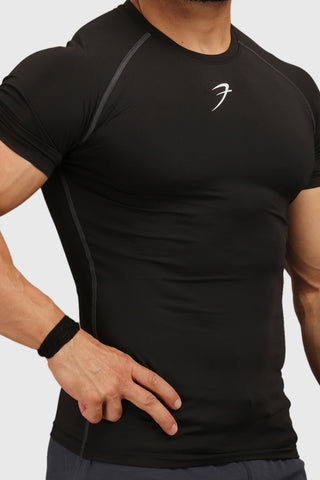
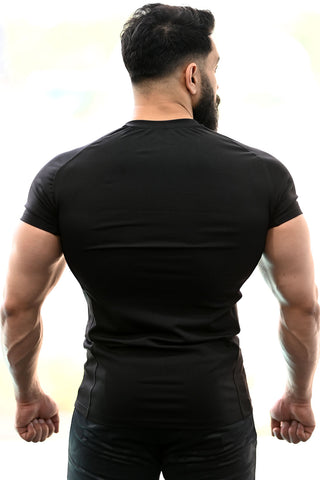
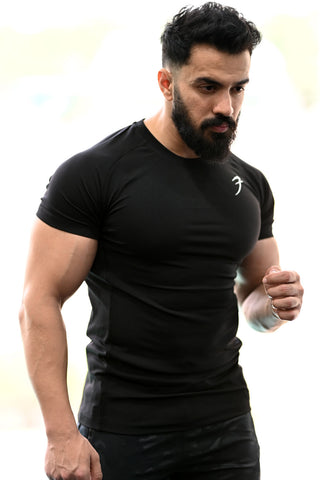
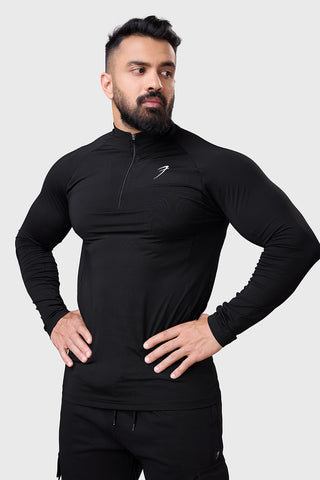
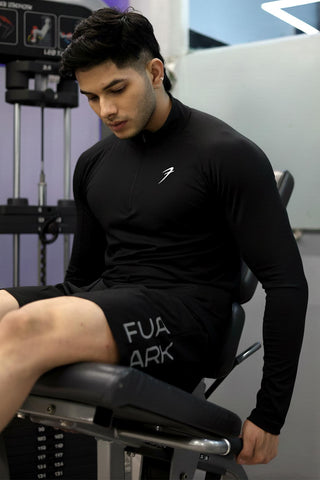
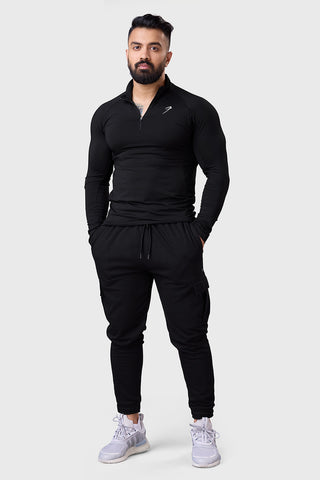
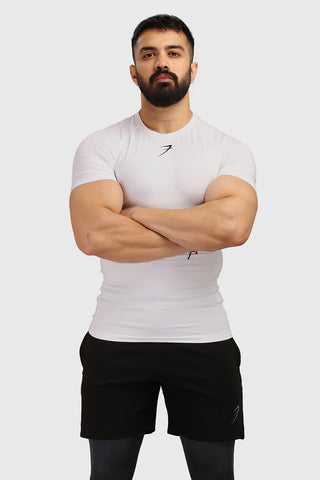
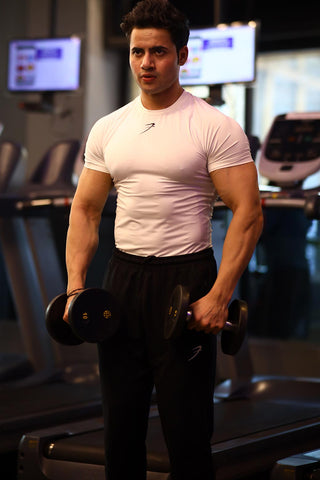
Compression t-shirts work very well for upper body compression. This gives you support across your chest, shoulders, and core, and keeps your torso stable during movement.
-
Compression Shorts
Compression shorts hug your quads, hamstrings, and glutes, providing muscle support and reducing friction during squats, lunges, and running. If you’re wondering what features should I prioritize when choosing compression shorts for daily wear?, look for breathability, stretch, and secure waistbands.

-
Compression Tanks
Compression tanks deliver the same upper-body benefits as tees while giving your arms full freedom of movement. Perfect for hot-weather training, arm-focused workouts, or anyone who just prefers the tank aesthetic.
They are also a great choice for layering.
-
2-in-1 Compression Shorts
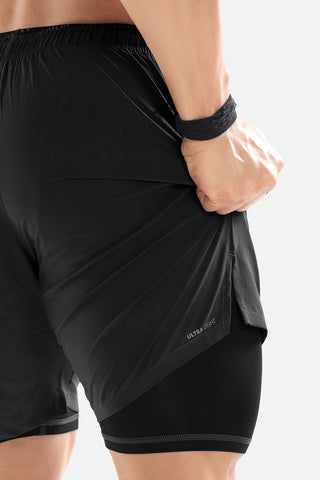
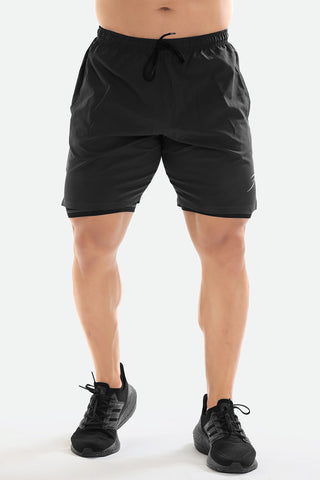
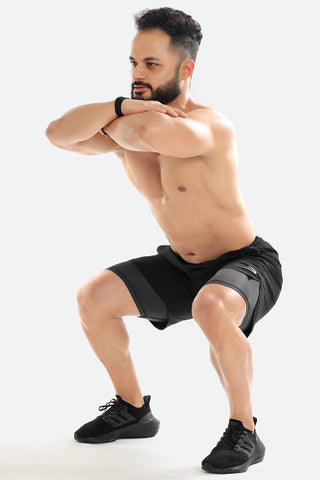
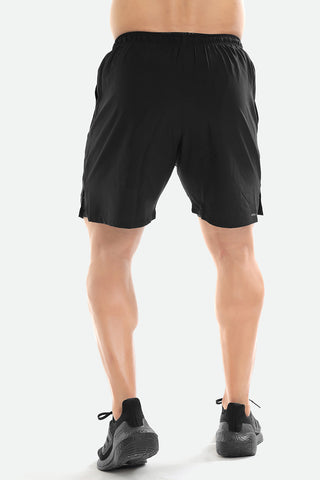
2-in-1 compression shorts feature an inner compression layer for muscle support, combined with an outer loose layer for coverage and style. It gives you the best of both worlds: function and a relaxed fit.
How to Choose the Right Compression Gear
This is how to choose compression tops for gym use and bottoms that’ll support your training.
-
Fabric
Always look for moisture-wicking and breathable blends like polyester-spandex or nylon-elastane. These materials stretch with your body, pull sweat away from your skin, and maintain their compression properties even after multiple washes.
-
Fit
Compression wear should feel like a firm but not a stifling hug. It needs to be snug enough to provide muscle support and stay in place during dynamic movements. But the fit should not be so tight that it restricts circulation or limits your range of motion.
-
Stitching
We don't think that anything can ruin a workout faster than fabric rubbing against your skin. Quality compression wear for gym sessions should feature flat seam construction without any irritating seams.
Compression Wear for Different Types of Training
The right compression gear doesn’t just fit your body; it fits your training style.
|
Training Type |
Recommended Compression Wear |
Key Benefits |
|
Running & Cardio |
Compression leggings, shorts, calf sleeves |
Improves blood circulation during workouts, reduces lower-body impact stress, supports pace consistency, and helps regulate body temperature. |
|
Strength Training & Bodybuilding |
Compression gym t-shirt (short/long sleeve) with compression shorts or tights |
Supports major muscle groups, helps maintain posture during heavy lifts, and reduces muscle vibration under load. |
|
HIIT & CrossFit |
Full-body compression sets or 2-in-1 compression shorts |
Provides stability during dynamic movements, rapid transitions, and high-intensity intervals. |
|
Sports (Basketball, Tennis, Football) |
Targeted compression sleeves with core compression wear |
Enhances joint awareness, protects against impact, supports sport-specific muscles, and helps reduce overuse strain. |
Common Mistakes To Avoid When Wearing Compression Gear
Even with the right gear, you can still mess things up. Here are some common compression wear mistakes that you can avoid:
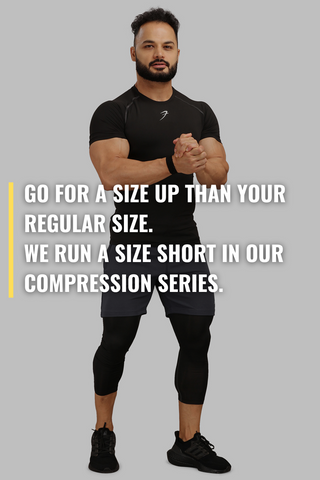
1. Wearing The Wrong Size
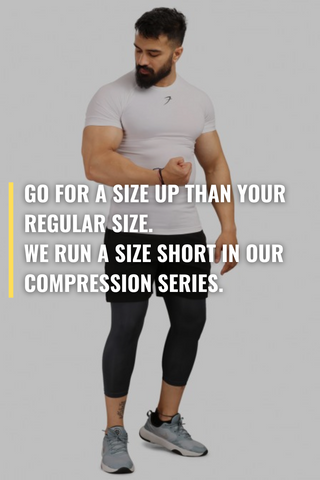
If your compression wear is too tight or too loose, it is not going to serve any functional purpose.
To get the right size, you can check the brand’s size chart and measure yourself accurately before buying. This will help you corroborate the right fit.
2. Expecting Instant Results
Compression gear is great for support, recovery, and comfort.
But, to experience the benefits of compression wear, set realistic expectations: After all, it is a tool to improve performance, not magic.
3. Ignoring Fabric Quality
Low-quality materials that lose elasticity quickly, trap moisture, and cause chafing won’t be of any help to you while working out. Invest in pieces made from durable, performance-focused fabrics.
4. Wearing Compression 24/7
While some people benefit from wearing compression during recovery or travel, your body also needs time without constant pressure. Don’t sleep in tight compression gear unless medically advised.
5. Skipping The Wash
Compression gear gets sweaty, and bacteria love that environment. Wash your compression clothing after every use to prevent odor buildup and maintain fabric integrity.
6. Wearing Very Old Compression Wear
Do not wear worn-out compression wear that has no elasticity. It will not yield the results that you desire.
With brands like Fuaark, you don’t have to compromise. You can check out our full range of functional and stylish best gym compression wear that delivers on all fronts.
Final Thoughts
The goal of wearing compression wear is to support your muscles during training, reduce uncomfortable vibration and fatigue, and help you recover faster.
Here are some numbers for your reference:
By stabilizing muscles, compression garments reduce high-frequency muscle vibrations by around 15% in magnitude and nearly 12% in frequency during demanding activities. That might sound technical, but the outtake is simple: less unnecessary muscle oscillation means less neuromuscular fatigue.
Understanding how compression garments help in recovery and selecting the right gear boosts both physical and emotional confidence when working out. Moreover, putting on your favorite compression gear and feeling locked in, supported, and ready to crush your workout gives you a mental edge that lets you crush your workout.
So, ready to upgrade your training wardrobe? Explore the full collection of best gym wear at Fuaark to train in workout gear that actually works!
Frequently Asked Questions on Compression Wear
1. What is compression wear and how does it work?
Compression wear refers to tight-fitting gym clothing like t-shirts, shorts, tights, and tanks that gently compress your muscles. This helps improve blood flow, reduce muscle vibration, and support better performance and faster recovery.
2. Is compression clothing good for working out?
Compression gear helps stabilize muscles, reduce fatigue, and wick away sweat. This way, gym compression clothing can help you move better and recover quicker.
3. What are the benefits of compression t-shirts for men?
Compression t-shirts for men offer upper-body support, improve posture, and reduce strain on your muscles. They're great for weight training, CrossFit, or any high-intensity workout where upper-body performance matters.
4. What is the purpose of 2-in-1 compression shorts?
2-in-1 compression shorts combine an inner compression layer for muscle support with an outer layer for coverage and style.
5. Do compression tights really help during workouts?
Yes, compression tights improve circulation and provide joint support during squats, deadlifts, or cardio. They're especially helpful for leg day or endurance training where your lower body is under stress.
6. Can women wear compression gear too?
Women’s compression wear like tanks, tights, and shorts offers muscle support, reduces soreness, and keeps you comfortable during any workout.
7. How tight should compression clothing be?
Compression gear should feel snug but not restrictive. It should support your muscles without limiting movement or causing discomfort.
8. Can compression wear help with muscle recovery?
Yes. By improving blood flow and reducing muscle vibration, compression wear helps flush out lactic acid faster, which can minimize soreness and promote quicker recovery.
9. Can compression wear help with posture during lifting?
Yes. Compression wear provides tactile feedback that enhances body awareness, helping you maintain proper posture during lifts.
10. Do compression t-shirts really improve performance?
Compression t-shirts won’t magically add weight to your bench press or speed to your sprint. However, they do support better training conditions, reduced muscle vibration, improved proprioception, better moisture management, and enhanced comfort. Over time, training more comfortably and recovering faster can contribute to better performance.
11. Can compression wear be used for everyday activities?
Yes. While compression wear for gym use is most common, many people wear compression during everyday activities like if they’re on their feet a lot, traveling long distances, or dealing with minor circulation issues. Compression can help reduce fatigue and swelling during long days.
Popular Searches
Gym Wear For Men | Best Gym Bags | Sports Vests Men’s | New Arrival Mens Clothing | Gym Pants For Men | Women’s Sports Tshirts | Running Outfits | Women’s New Arrivals | Men Topwear | Sports Accessories |
Popular Blogs
Winter Arc Explained: Challenge Yourself To Become Better | Beginner’s Guide To Gym Outfits And Essentials |Winter Exercise Benefits | New Year Fitness Resolutions Ideas 2026 | Hoodies vs. Sweatshirts: What’s the Difference? | Compression Vs Regular Leggings | Gym Shorts Vs Track Pants
