














Key Takeaways
- A structured running plan for beginners can help prevent injury and build endurance.
- Consistency is always more important than speed in any running plan for beginners.
- Recovery, nutrition, and the right gear are as important as your mileage.
In this Article
Why Running Is Great for Beginners
Before You Start: What You Need
How to Start Running (Step-by-Step Plan)
How Often Should Beginners Run?
Introduction
“That’s the thing about running: your greatest runs are rarely measured by racing success. They are moments in time when running allows you to see how wonderful your life is.” - Kara Goucher (An American runner)
There's a very good reason why runners always come back to the road. It's not just about burning calories. It's about rhythm, breath, the steady build of endurance, and the way your calves tighten and tone with every stride.
Healthy running gives you quiet confidence that comes from running longer than you did last week. If you love running or want to love it, this beginner running guide is perfect for you. No matter if your goal is weight loss, stress relief, or mental clarity, the key to long-term progress is simple. Train smart, recover smarter, and be consistent.

Why Running Is Great for Beginners
Running is one of the most accessible forms of fitness. You don't need any complex equipment or complicated tools, just you and the road.
Here is why running is ideal for beginners.
- Builds cardiovascular endurance naturally
- Tones calves, glutes, and hamstrings
- Improves lung capacity and oxygen efficiency
- Supports weight loss and metabolic health
- Strengthens mental resilience
- Enhances bone density
Before You Start: What You Need
For anyone who's wondering how to start running for beginners, please understand that running can strengthen your heart, sculpt your lower body, and sharpen your mindset all at once. That is the beauty of healthy running. Before beginning your running for beginners plan, it's very important that you set yourself up correctly.
1. Proper Running Shoes
Invest in well-fitted running shoes and replace them every 300–400 miles. Poor footwear is one of the biggest beginner running mistakes to avoid.
2. Performance Clothing
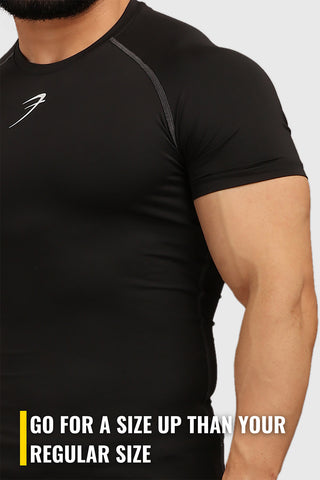
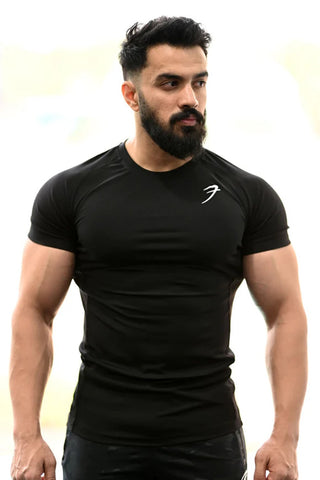
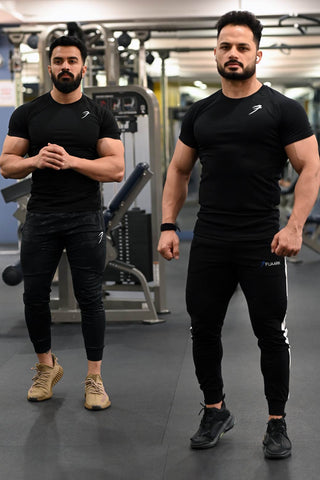
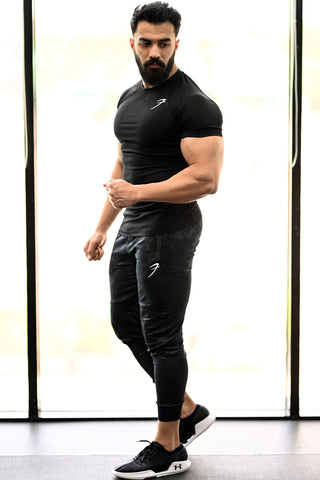
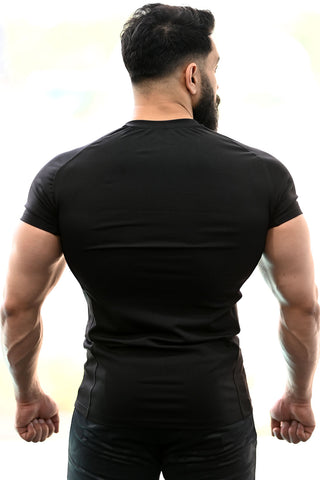
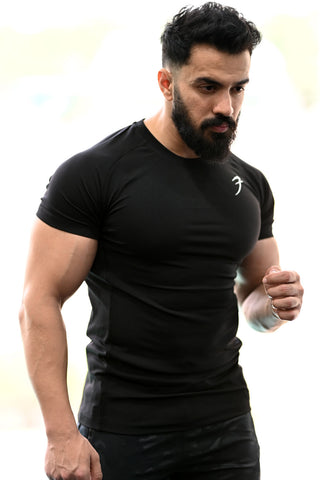
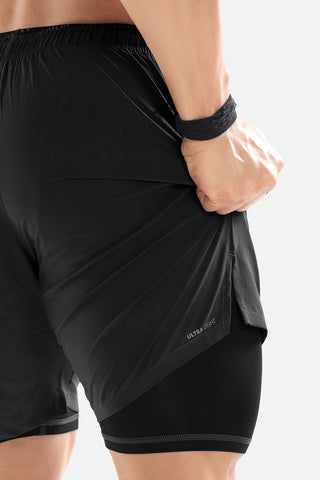
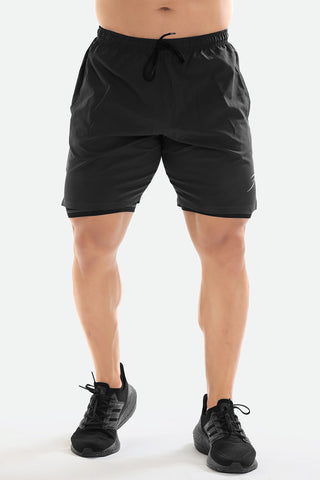
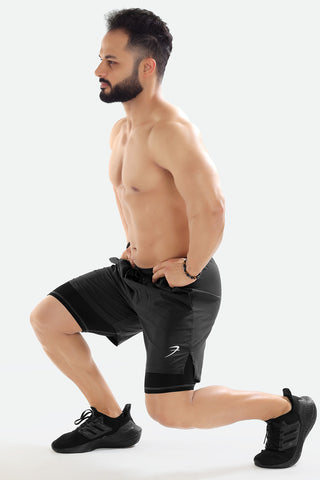
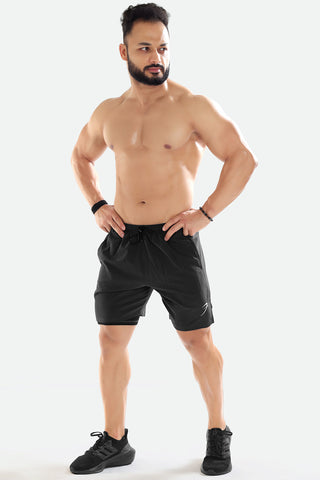
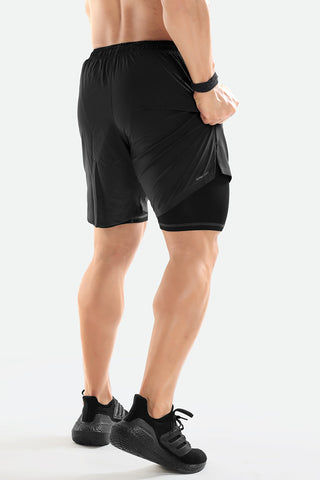
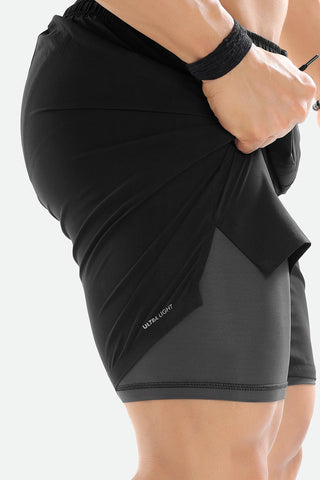
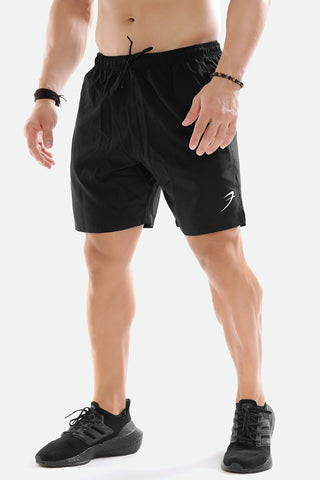
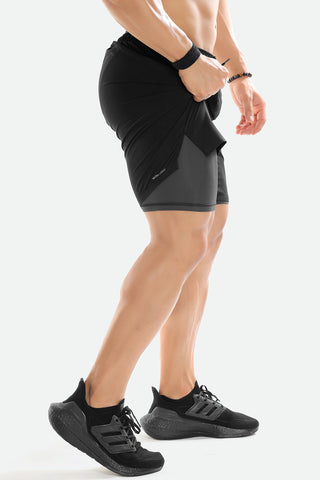
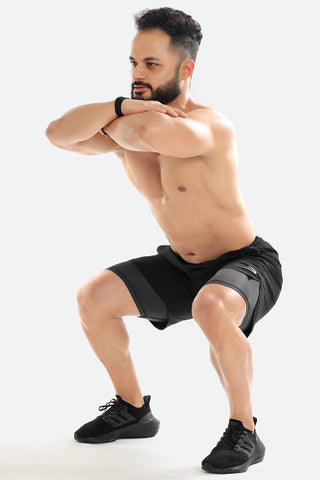
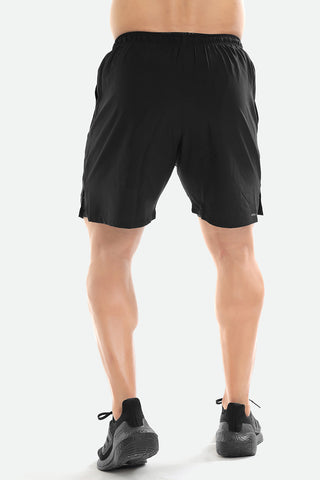
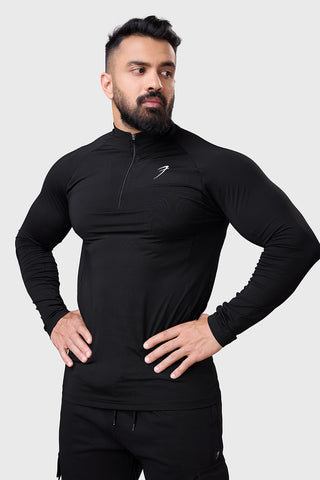
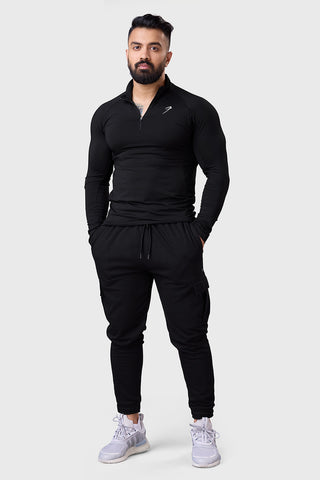
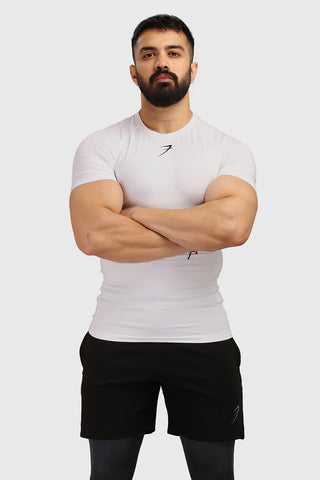
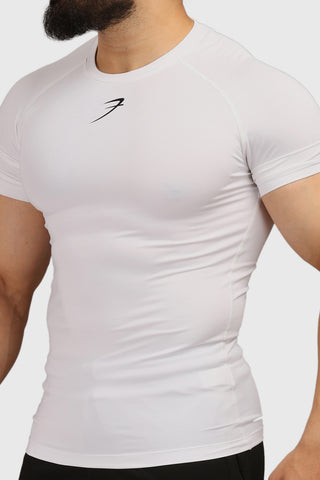
Breathable, sweat-wicking running t-shirts or a high-quality gym t shirt can prevent overheating. Moreover, lightweight men's running shorts or men’s running bottomwear can support mobility. For recovery or muscle support, consider compression wear for men and women.
For cooler mornings, a structured running jacket men keeps muscles warm without bulk.

3. Hydration & Nutrition
Fuel matters. The best running nutrition includes carbohydrates and protein within 30–60 minutes post-run. Hydrate yourself adequately every day and not just on training days.
4. Store Your Essentials Neatly
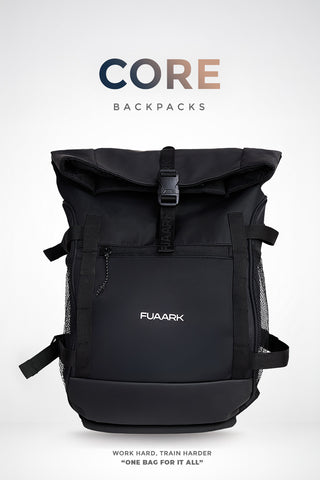
A durable option like premium gym bags can keep your gear organized and ready.

How to Start Running (Step-by-Step Plan)
If you are wondering how to run without getting tired, it's always best to start in a controlled manner.
Step 1: Begin With Run–Walk Intervals
Run 30 seconds. Walk 60 seconds. Repeat for 15–20 minutes.
Step 2: Follow the 10% Rule
Never increase weekly mileage by more than 10%. This will protect you against injury.
Step 3: Warm Up (3–5 Minutes)
Start with brisk walking before increasing pace.
Step 4: Stay in Your Aerobic Zone
You should be able to speak in full sentences. If not, slow down.
Step 5: Cool Down
Walk for 3–5 minutes post-run to regulate heart rate.
All these steps are the foundation of a smart beginner running routine.
How Often Should Beginners Run?
Building consistency is more important than speed. For most runners who are starting out;
- Run 3–4 times per week
- Include at least one full rest day
- Add cross-training (cycling, swimming, elliptical)
- Include 1–2 strength sessions weekly

Frequently Asked Questions
1. How often should a beginner run each week?
A structured running plan for beginners suggests three to four weekly sessions with rest days included. This supports recovery and promotes healthy running.
2. Is it normal for beginners to feel sore after running?
Yes, mild soreness lasting under 24 hours is normal in any beginner running routine. However, persistent pain should definitely be looked into.
3. Do Runners Need to Add Strength Training?
Yes, strength training can prevent muscle imbalance, improve posture, and reduce injury risk. This is very important in any beginner running plan approach.
4. What is the best way to improve breathing while running for beginners?
To run without getting tired quickly, you can stay in your aerobic zone, maintain proper posture, and progress gradually. This improves oxygen efficiency and lets you run longer.
5. How should beginners approach running for weight loss?
Try to combine consistent mileage with smart nutrition and recovery. The best running nutrition paired with a structured beginner running training plan week by week, can yield sustainable weight loss.
Popular Searches
Gym Clothes | Gym Cap | Gym Wear For Men | Mens New Arrival Clothing | Compression Wear For Women | Women's Gym Tank Top | Compression Bottoms | Dark Flow Collection | Women's New Arrival Collection | Gym Full Sleeve T Shirt For Men | Deathdrip Collection | Women's Gym Wear | Mens Running Tops | Sports Track Pants |
Popular Blogs
Gym Shorts vs Track Pants: Find out Differences, Benefits & When To Wear Each | Gym Compression Wear For Better Performance, Recovery And Training | Hack Squat Guide - Target Muscles, Benefits & Common Mistakes | Fuaark’s Ultimate Guide to Choosing the Right Gym Clothes | Men’s T-Shirt Size Guide: Find the Right Fit With Easy Size Charts | Gym Outfits for Beginners - Best Gymwear & Essential Workout Gear |
